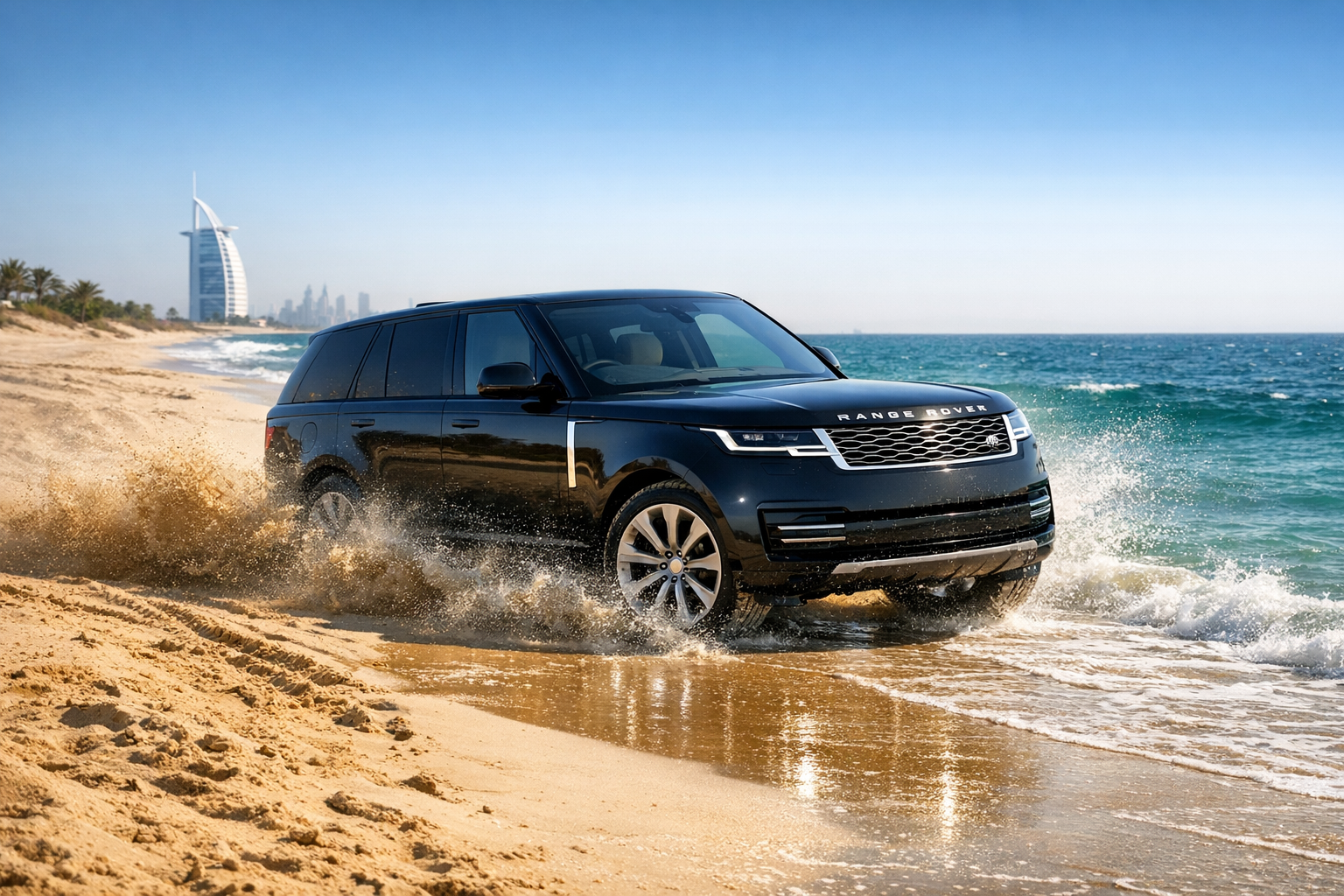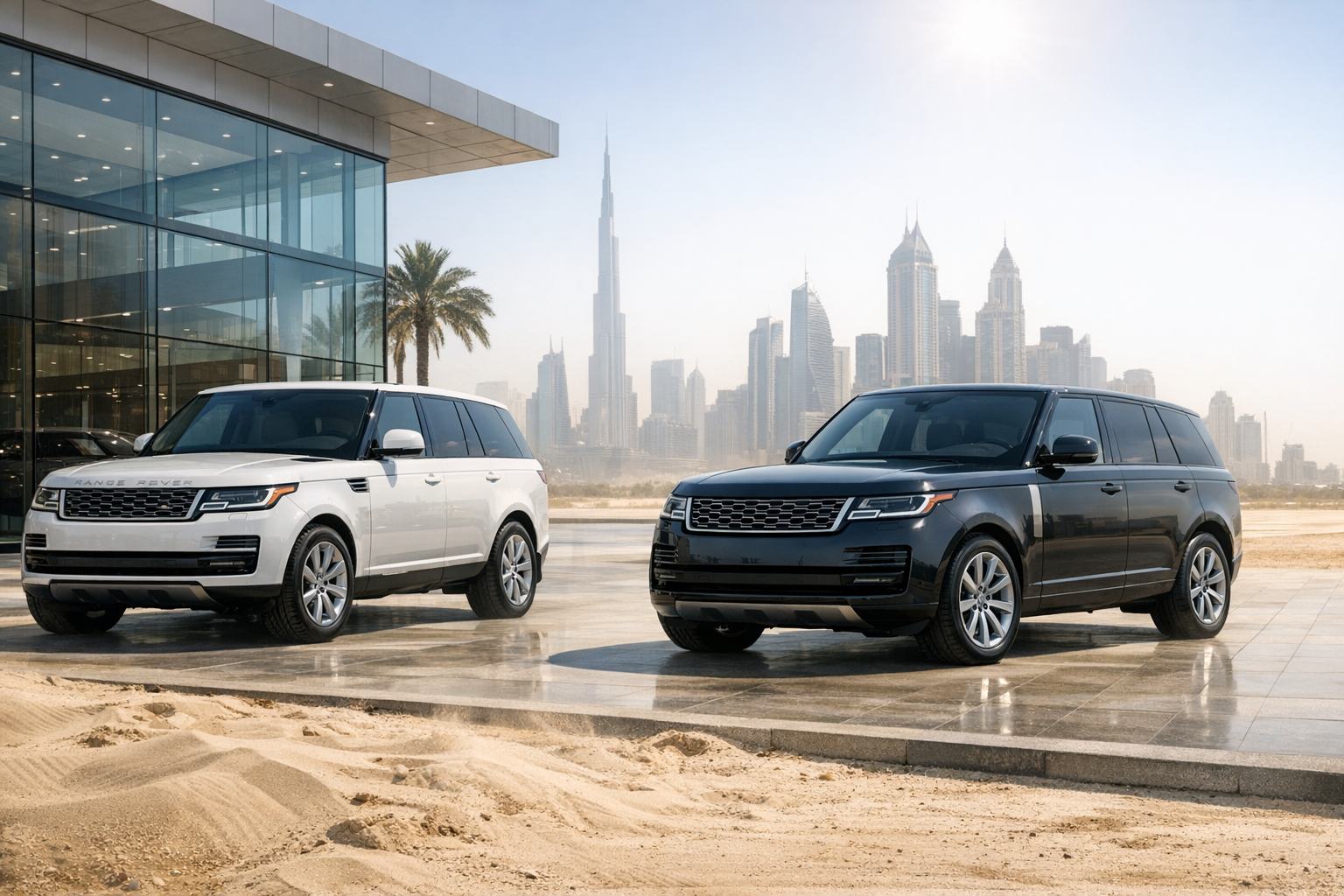
Range Rover, Range Rover Sport, Velar, and Evoque models come equipped with some of the most sophisticated ADAS (Advanced Driver Assistance Systems) technology on the market. But owning the technology and using it effectively on UAE roads are two very different things. Between high-speed highway stretches on the E11 and E311, stop-and-go city traffic in Dubai and Sharjah, and the region’s unique dust and heat challenges, knowing how to configure—and when to override—these systems can make all the difference in safety and driving comfort.
Here’s an evergreen guide to getting the most from your Range Rover’s driver assistance features in everyday UAE conditions.
Adaptive Cruise Control (ACC): Best UAE Settings for E11, E311, and Desert Highways
Adaptive Cruise Control is a lifesaver on long stretches of Sheikh Zayed Road (E11), the Abu Dhabi–Dubai highway, or the E611 route through Sharjah. It maintains your set speed while automatically adjusting the gap to the vehicle ahead—ideal for reducing fatigue on daily commutes.
Quick setup for UAE driving:
- Set 3–4 bars of following distance during peak Dubai and Abu Dhabi traffic when sudden braking is common.
- Use a medium gap on open desert highways, but stay alert for vehicles merging without indicators—a frequent occurrence on E311 and E611.
- Switch ACC off entirely in sandstorms, heavy rain, or shamal conditions. Reduced sensor visibility can delay the system’s reaction time significantly.
- Disengage in dense construction zones with narrow lanes or when traffic flow is highly erratic—manual control gives you faster response.
Bottom line: ACC handles the monotony of highway kilometres beautifully, but it cannot predict the unpredictability of UAE merging behaviour.
Lane Keep Assist (LKA) on Your Range Rover: Helpful but Not Infallible
Lane Keep Assist uses forward-facing cameras to detect lane markings and gently steers your Range Rover or Velar back if you drift. On well-marked UAE highways, it works reliably. However, several local conditions challenge the system daily.
Limitations to be aware of:
- Faded or sand-covered lane markings—common on outer lanes, service roads, and the Sharjah commute—can confuse the camera.
- Newly resurfaced roads without fresh markings may cause the system to disengage repeatedly.
- Bright desert sun creating low-contrast conditions, especially during early morning and late afternoon drives, reduces camera effectiveness.
Use it wisely:
- Keep your hands on the wheel at all times; treat LKA as an alert system, not autopilot.
- Avoid reliance on freshly resurfaced roads or unpainted asphalt stretches.
- Be especially cautious at highway exits, lane splits, and the frequent road transitions common around Dubai interchanges.
Autonomous Emergency Braking (AEB): Your Last Line of Defence in City Traffic
AEB monitors the road ahead and applies emergency braking if it detects an imminent collision. This ADAS feature has proven invaluable in city driving—particularly during sudden stops at roundabouts, in bumper-to-bumper traffic on Al Khail Road, and in crowded parking areas.
Keep it reliable:
- Clean the front radar grille and windshield camera area regularly. Dust accumulation is the number one cause of false alerts or delayed responses in the UAE climate.
- Don’t rely on AEB for high-speed stationary objects—the system may not react in time above certain speeds. It’s a last-resort aid, not a substitute for alert driving.
- Pedestrian detection works best in well-lit conditions. At dim roundabouts, poorly lit parking structures, and unlit residential streets, remain extra cautious.
Blind-Spot Monitoring & 360° Cameras: City Essentials for Dubai and Abu Dhabi
In Dubai’s tight multi-lane roads and crowded underground parking structures, these two features earn their keep daily—whether you drive a Range Rover Sport or an Evoque.
Blind-Spot Monitoring illuminates a warning in your side mirrors when a vehicle occupies your blind spot. It’s particularly useful during frequent lane changes on roads like Al Khail, Hessa Street, and Sheikh Mohammed bin Zayed Road.
City musts:
- Always perform a shoulder check regardless—motorcycles and smaller vehicles occasionally fall below the sensor’s detection threshold.
- Pay special attention during the Sharjah commute where lane density increases dramatically.
The 360° Camera System provides a bird’s-eye view that makes parking in tight underground spots, navigating narrow villa community roads, and reversing in busy mall car parks far less stressful.
- Wipe all four cameras before underground parking or long drives—dust and water spots degrade image clarity quickly.
- A quick wipe after sandstorms keeps the system functioning at its best.
Maintenance Matters: Keeping ADAS Systems Reliable in UAE Conditions
Driver assistance features depend on clean sensors, calibrated cameras, and properly functioning radar modules. The UAE’s dust, extreme heat, and occasional sandstorms accelerate wear on these components far faster than in milder climates. If you notice frequent false warnings, system error messages, or features disengaging unexpectedly, it’s time for a professional diagnostic.
When recalibration is essential:
- After any windshield replacement—camera and radar misalignment reduces accuracy immediately.
- Following front-end bodywork repair or bumper replacement.
- If your Range Rover has been involved in even a minor collision.
- When error messages persist after cleaning sensors.
How often should you clean sensors in dusty weather? Before every long drive and after every sandstorm. Wipe the radar grille, all camera lenses, and the windshield camera housing.
Book professional ADAS calibration and Range Rover repair in Dubai at Euro Expert. Proper recalibration ensures your driver assistance systems perform as designed—even a slight misalignment can compromise the entire suite’s accuracy.
The Golden Rule: Technology Assists, You Drive
No combination of sensors and software replaces an attentive driver. Use these ADAS systems as layers of support, understand their limitations in local UAE conditions—sandstorm driving, faded markings, extreme glare—and never hesitate to take full manual control when the situation demands it.
When properly configured and maintained, your Range Rover’s driver assistance suite makes driving on Sheikh Zayed Road, the E311, and through Abu Dhabi’s city streets measurably safer and less fatiguing—exactly what these systems were designed to do.
FAQ: Range Rover ADAS in the UAE
What’s the best ACC gap setting for Dubai traffic?
Set 3–4 bars during peak hours for safer braking margins. On open highways like the E11 or E611, a medium gap works well.
Why does Lane Keep Assist drift or disengage in the UAE?
Faded or sand-covered lane markings, glare from desert sun, or freshly resurfaced asphalt without painted lines can confuse the forward-facing camera.
Do I need ADAS calibration after a windshield replacement?
Yes—camera and radar misalignment reduces system accuracy significantly. Always book a professional recalibration after glass replacement.
How often should I clean sensors in dusty weather?
Before long drives and after sandstorms. Wipe the radar grille, all four surround cameras, and the windshield camera lens.
Does AEB work with stationary objects at high speed?
Not always. At very high speeds, the system may not brake in time for stationary obstacles. AEB is a last-resort aid, not a substitute for alert driving.
Which Range Rover models have full ADAS suites?
Range Rover, Range Rover Sport, Velar, and Evoque all offer comprehensive driver assistance packages, though feature availability varies by model year and specification.
Need diagnostics after a windshield change or persistent ADAS warnings? Book Euro Expert’s Range Rover ADAS recalibration in Dubai to keep every system performing at its best on UAE roads.