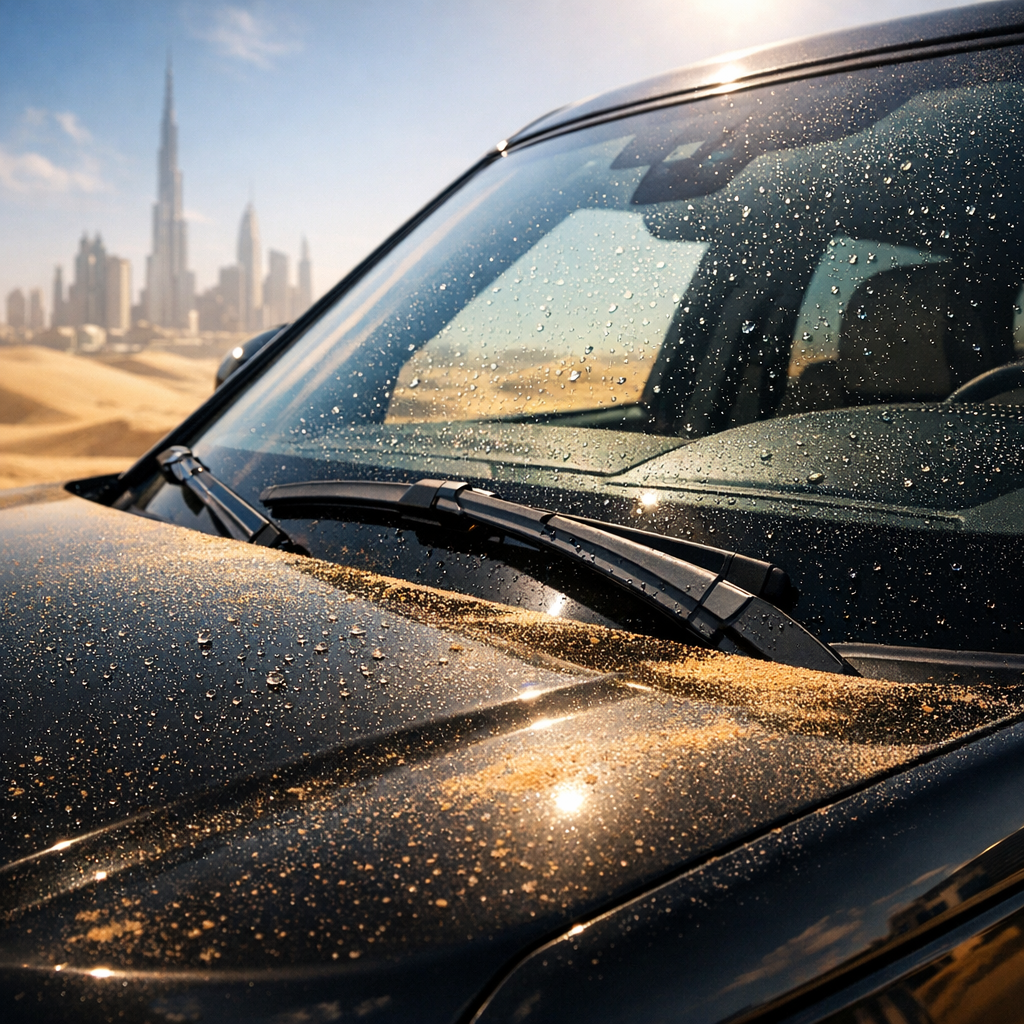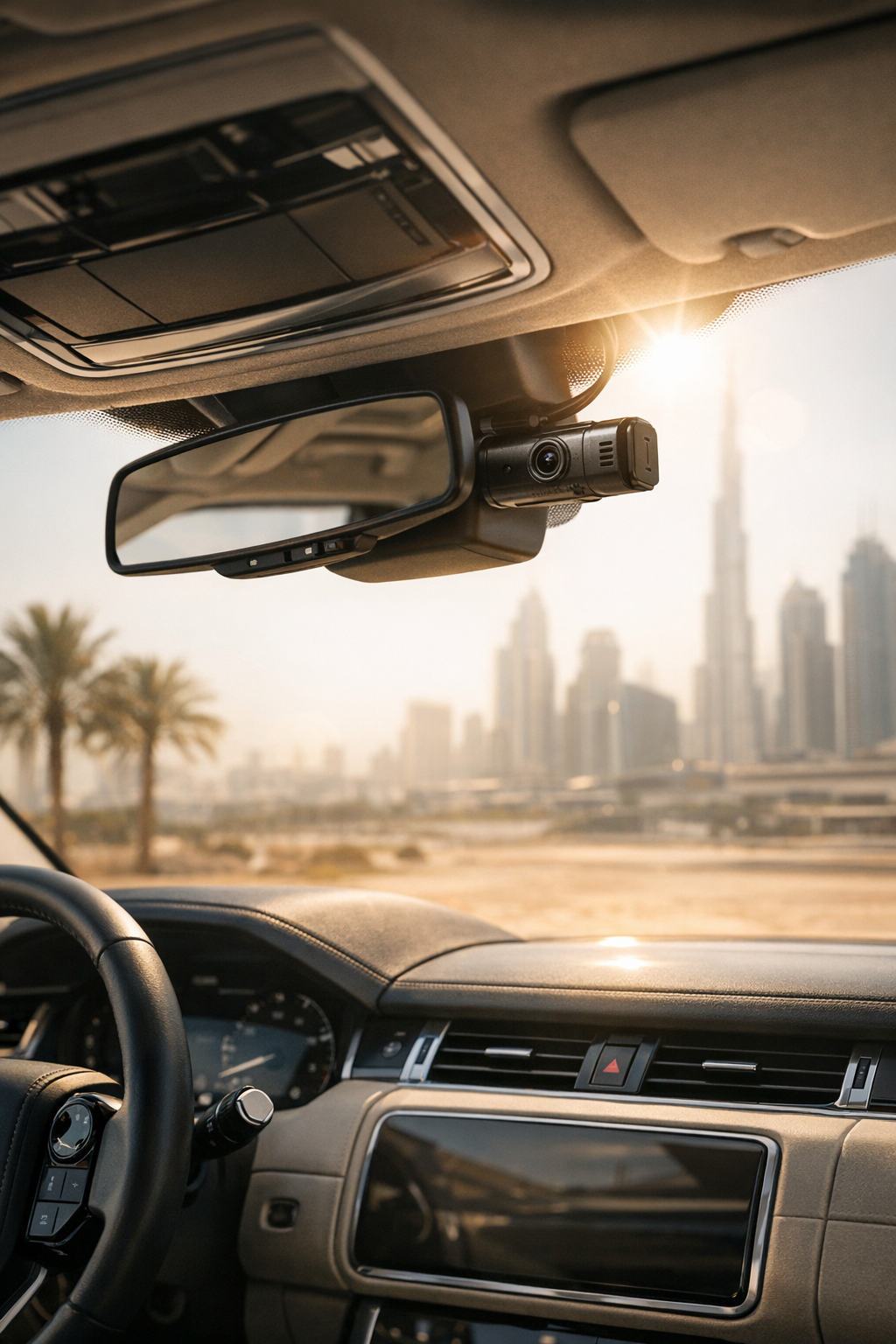
Planning Range Rover beach driving in the UAE? The coastline here offers some of the most stunning driving landscapes in the region—from the pristine beaches of Fujairah to the coastal stretches along Jumeirah and the sandy shores of Ras Al Khaimah. For Range Rover owners, these environments represent both an invitation and a challenge. While your vehicle is engineered for versatility, the combination of salt-laden air, fine coastal sand, and the UAE’s intense heat creates a uniquely aggressive environment that demands proactive care. Use these coastal driving tips to prevent salt corrosion, sand abrasion, and heat-related damage—especially around Dubai and Fujairah.
Why UAE Beach Driving Accelerates Range Rover Corrosion
Salt corrosion and sand damage don’t announce themselves dramatically. They work quietly, accumulating over weeks and months until the damage becomes visible—and expensive. Salt air settles on every exposed surface, working its way into microscopic imperfections in paint, attacking brake components, and accelerating oxidation on undercarriage metals. Meanwhile, fine beach sand acts as an abrasive, embedding itself in wheel mechanisms, air intakes, and suspension components.
In the UAE, these threats are amplified by humidity levels that frequently exceed 90% along the coast, particularly during summer months. This moisture acts as a catalyst, accelerating the corrosive effects of salt deposits that might otherwise remain relatively inert in drier conditions. Understanding how fast salt starts corroding a car in the UAE is critical: the reaction begins within hours in high humidity, making same-day action essential.
Pre-Drive Checklist: 5 Steps to Protect Your Range Rover from Salt and Sand
Before heading to the beach, a few preventative steps can significantly reduce post-drive damage:
1. Apply a Quality Ceramic Coating
This creates a sacrificial barrier between salt air and your Range Rover’s paint. Ceramic coatings are particularly effective in UAE conditions, offering superior heat resistance and longevity compared to traditional wax. A quality ceramic coating in Dubai can withstand temperatures above 50°C and dramatically slow paint oxidation near the coast.
2. Inspect and Lubricate Exposed Components
Pay attention to door hinges, tailgate mechanisms, and any exposed metal fittings. A light application of corrosion-inhibiting lubricant creates a protective film that resists salt penetration.
3. Apply Temporary Wheel Protection
Spray-on wheel sealants prevent brake dust and salt from bonding to alloy surfaces, making post-drive cleaning far more effective and reducing brake corrosion from salt exposure.
4. Check Your Cabin Air Filter
A clean filter prevents fine sand particles from entering your climate control system, where they can cause long-term damage to the blower motor and evaporator.
5. Seal Any Exposed Aluminium Edges
Range Rover’s lightweight aluminium body structure is particularly vulnerable to salt. Apply anti-corrosion spray formulated specifically for aluminium before coastal exposure.
After-Beach Cleaning: 7 Steps to Stop Salt Corrosion Fast
What you do in the first few hours after coastal driving matters more than any other maintenance step:
1. Rinse Immediately—Don’t Wait
Salt begins its corrosive work within hours. A thorough freshwater rinse of the entire vehicle, including wheel arches and the underbody, should happen the same day you drive on or near the beach.
2. Pressure-Wash the Undercarriage from Multiple Angles
Range Rovers have complex underbody components including air suspension elements and differential housings that trap salt and sand. Underbody rust protection in the UAE starts with removing these deposits before they bond to metal surfaces.
3. Clean Brake Components Thoroughly
Salt accumulation on brake discs and calipers accelerates corrosion and can compromise braking performance. Rinse wheels and calipers with fresh water, then drive gently and brake a few times to dry the discs completely.
4. Flush Door Sills and Drainage Channels
Sand accumulates in these areas and retains moisture, creating persistent corrosion points that worsen with each coastal trip.
5. Wipe Down All Exterior Trim and Rubber Seals
Salt deposits degrade weatherstripping and rubber door seals over time. A silicone-based rubber protectant applied after cleaning extends seal life significantly.
6. Clean and Dry the Boot Area
Sand tracked into the cargo space works its way into carpet fibres and panel gaps, holding moisture against metal surfaces.
7. Inspect Air Intakes for Sand Contamination
Fine coastal sand can bypass filters and accumulate in intake passages, particularly if you drove with windows open near the shore.
Best Heat-Proof Coatings and Anti-Corrosion Products for the UAE
Not all protective products perform equally in extreme heat. For UAE coastal driving, choose products specifically rated for the conditions:
- Ceramic spray coatings rated for temperatures above 50°C provide the most durable paint protection available for consumer application. They outperform traditional waxes by months in UAE heat.
- Marine-grade underbody wax designed for salt resistance offers superior protection compared to standard automotive undercoating. Look for products used on boats operating in Gulf waters.
- Silicone-based rubber protectants for door seals and weatherstripping prevent the drying and cracking that salt air accelerates, maintaining cabin seal integrity.
- Anti-corrosion sprays specifically formulated for aluminium are critical for Range Rover’s body structure. Standard rust inhibitors designed for steel can actually accelerate galvanic corrosion on aluminium panels.
- Brake caliper protective coatings rated for high-temperature and marine environments slow the aggressive corrosion that coastal humidity causes on braking components.
When to Book a Range Rover Corrosion Inspection in Dubai
Despite your best efforts, salt and sand find their way into areas that home maintenance simply cannot reach. The parts of a Range Rover that corrode first near the sea—brake discs, calipers, fasteners, underbody components, and exposed aluminium edges—often require professional access to inspect properly.
For expert corrosion checks and air suspension sand cleaning, book Range Rover repair in Dubai with Euro Expert. Their technicians understand the specific vulnerabilities of Range Rover models in UAE coastal conditions. They can identify early-stage corrosion in critical areas, service air suspension components that may have accumulated sand contamination, and apply professional-grade protective treatments that extend well beyond what’s achievable with consumer products.
If you beach-drive regularly, inspect every six months or every 5,000 to 8,000 kilometres, with extra underbody and suspension checks included in each service visit.
UAE Coastal Care: Your Ongoing Protection Routine
In the UAE, coastal driving isn’t seasonal—it’s a year-round reality. The combination of summer humidity and winter morning dew means salt deposits remain active regardless of the calendar. Establishing a consistent protection routine, rather than reacting to visible damage, is the most cost-effective approach to preserving your Range Rover’s condition and value.
Your Range Rover was built to take you anywhere. With proper coastal care, it will continue doing so for years to come—without the hidden toll that salt and sand exact on unprotected vehicles.
Whether you drive along Jumeirah, Ras Al Khaimah, or Fujairah, this UAE-specific routine keeps your Range Rover protected.
Frequently Asked Questions
How fast does salt start corroding a car in the UAE?
Salt begins reacting within hours in high humidity; rinse the same day after beach driving to prevent damage from taking hold.
Are ceramic coatings worth it in UAE heat?
Yes—quality ceramic coatings withstand 50°C+ and significantly slow paint and trim oxidation near the coast, outlasting traditional wax by several months.
What parts of a Range Rover corrode first near the sea?
Brake discs and calipers, fasteners, underbody components, and exposed aluminium edges are most at risk from coastal salt exposure.
How should I clean brakes after beach driving?
Rinse wheels and calipers thoroughly with fresh water, then drive gently and brake a few times to dry the discs and prevent moisture from sitting on the rotors.
How often should I service my Range Rover if I drive on beaches?
Inspect every six months or every 5,000 to 8,000 kilometres, with extra underbody and suspension checks if you beach-drive regularly.
Live near Dubai, Abu Dhabi, or the Northern Emirates? Schedule a corrosion inspection and protective treatment at Euro Expert—Range Rover repair in Dubai.